If you are thinking about buying near UGA, you are not alone. Athens continues to draw attention from both parents looking for a practical housing plan and investors searching for a property with steady demand. The key is knowing that not every home near campus works the same way, and the best purchase usually comes down to location, layout, transportation, and lease structure. Let’s dive in.
Why UGA Drives Athens Housing
The University of Georgia remains the biggest force behind housing demand in Athens. UGA reported fall 2025 enrollment of 43,888 students, which is an all-time high, and nearly 83% of undergraduates are from Georgia according to UGA News.
That demand does not automatically mean every student is looking for off-campus housing right away. UGA says it reserves on-campus housing for all first-year undergraduate students, and nearly 98% of first-year students live in University Housing based on the university’s housing information. For many buyers, that shifts the real opportunity toward upperclassmen, graduate students, transfer students, and longer-term family use.
What Parents Should Know First
If you are buying for your student, timing matters. UGA’s live-on requirement can change your plan, especially if your student is entering as a freshman and does not qualify for an exemption.
The university notes that students whose principal residence is with a parent or legal guardian in Clarke, Barrow, Jackson, Madison, Oglethorpe, or Oconee County may qualify for an exemption, as explained on the UGA housing page. That means some families may not need an off-campus purchase for year one at all.
For parents, the smartest purchase is often the one that solves one housing problem cleanly. You may want a home that is easy to maintain, practical for campus access, and still useful after graduation, whether that means holding it as a rental or reselling later.
What Investors Should Focus On
If you are approaching Athens as an investor, the decision is usually less about owning the closest property to campus and more about owning the right one. In this market, bedroom count, roommate-friendly layout, parking, and transportation access can matter just as much as the street address.
Athens also remains a renter-heavy market. The U.S. Census QuickFacts page for Athens-Clarke County unified government (balance) reports an owner-occupied housing rate of 40.7%, with a median gross rent of $1,219 and a median owner-occupied home value of $271,800. That points to a market with meaningful rental depth, even though exact numbers vary by source and property type.
Athens Location Tiers Near UGA
A helpful way to think about Athens is in three location tiers.
Tier 1: Walkable Near Campus
These are the areas closest to campus and downtown, where walking or biking can be a major advantage. If convenience is the top priority, these locations often stand out for both parents and investors.
UGA’s off-campus marketplace allows users to compare walking, biking, and transit distance from campus. That can be useful when you are weighing whether a higher purchase price may be offset by stronger rental appeal.
Tier 2: In-Town With Bus Access
These locations may not be as close as the core, but they can still perform well when they offer dependable bus access and practical commutes. UGA’s off-campus guide notes that Athens has both Athens Transit and the UGA bus system, and some apartment communities also run their own shuttles.
For many buyers, this tier can offer a better balance of price and function. If the property still works well for student routines, a little extra distance may not be a deal-breaker.
Tier 3: Farther-Out Car-Dependent Areas
Properties farther from campus can sometimes look attractive on price alone, but transportation becomes a bigger part of the decision. If a home relies on driving, you need to think carefully about parking, commute consistency, and how that affects rentability.
Parking is often separate from rent, according to the UGA off-campus marketplace. That means transportation costs and logistics should be part of your underwriting from day one.
Why Proximity Can Affect Rent
Public rent data shows a clear pattern: convenience often commands a premium. Redfin rental market data for Athens-Clarke shows median rent around $1,775 in Five Points, $1,462 in Normaltown, and $1,400 in Eastside Athens.
This is not a valuation formula, but it is a useful signal. In general, the closer-in and more convenient the location, the stronger the pricing support may be, especially when the property also offers a layout that works well for shared living.
Picking the Right Property Type
Not every buyer should target the same kind of property. The best fit depends on how you plan to use it over the next three to five years.
Condos: Lower Maintenance, More Rules
Condos can appeal to parents who want simpler upkeep. They may also work for investors looking for a more hands-off property.
The tradeoff is that condos often come with HOA fees, rules, parking limitations, and lease restrictions. UGA’s off-campus living guide makes it clear that details like HOA documents and property rules should be reviewed early, not treated as an afterthought.
Townhomes: A Middle Ground
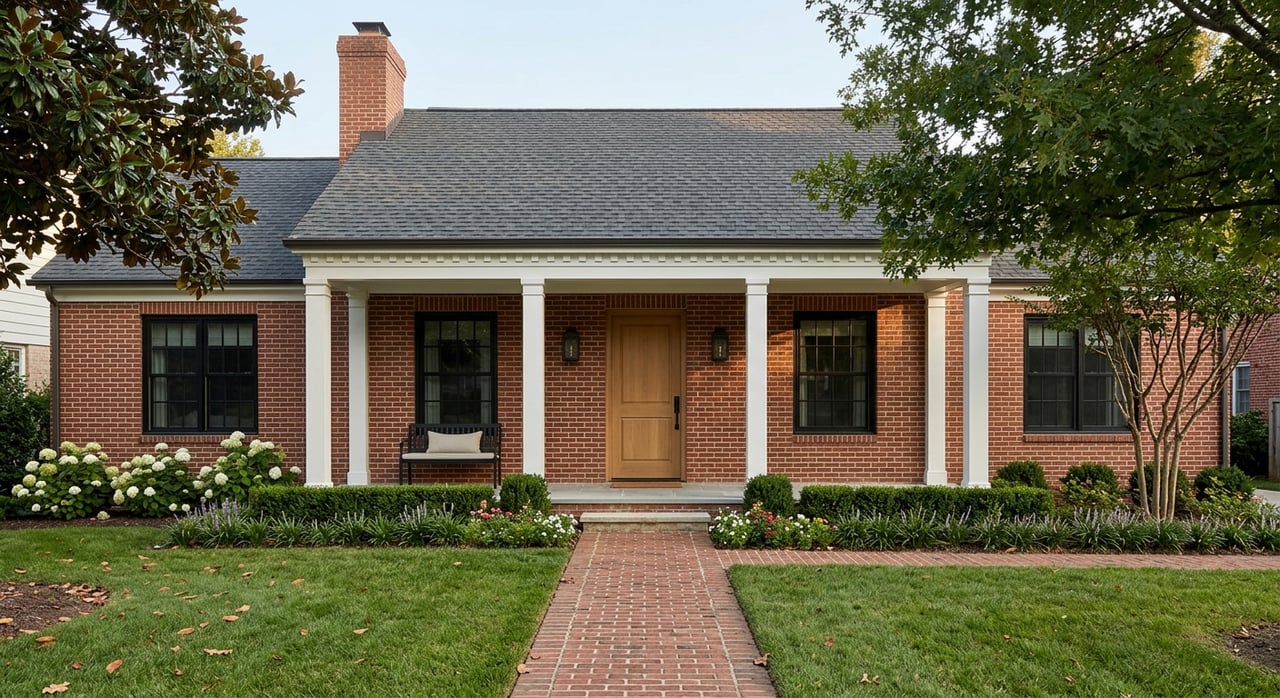
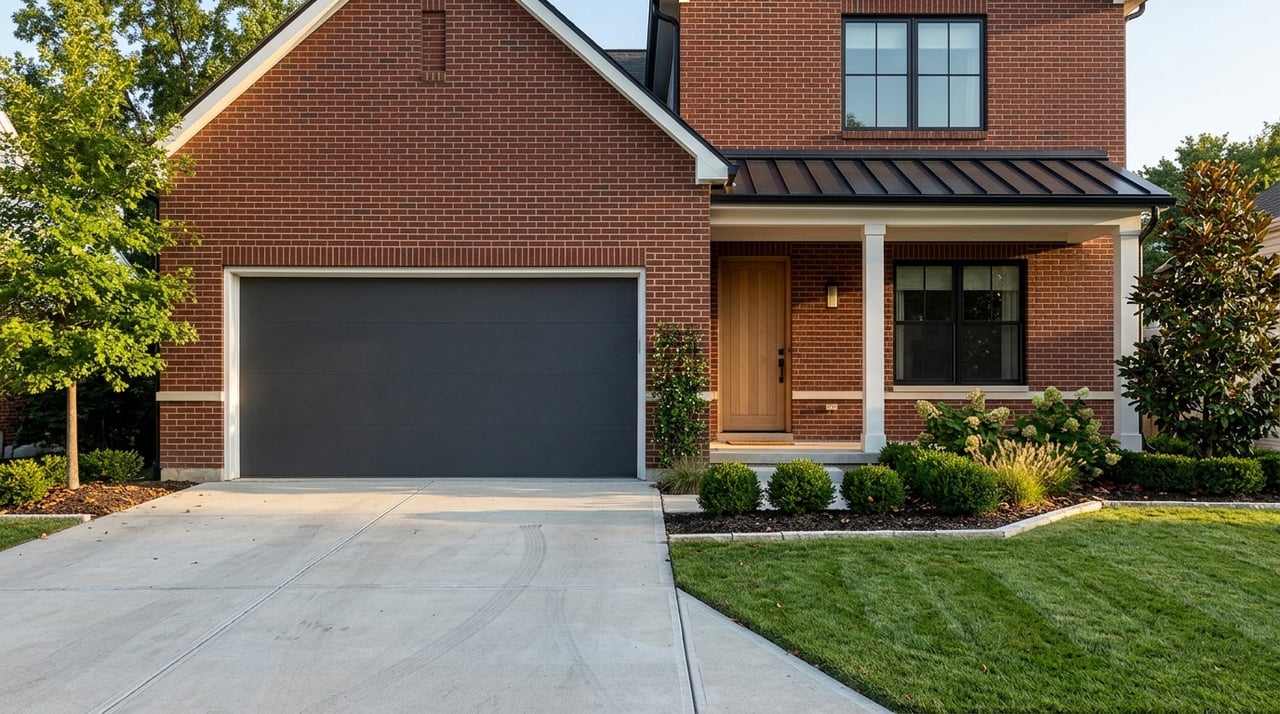
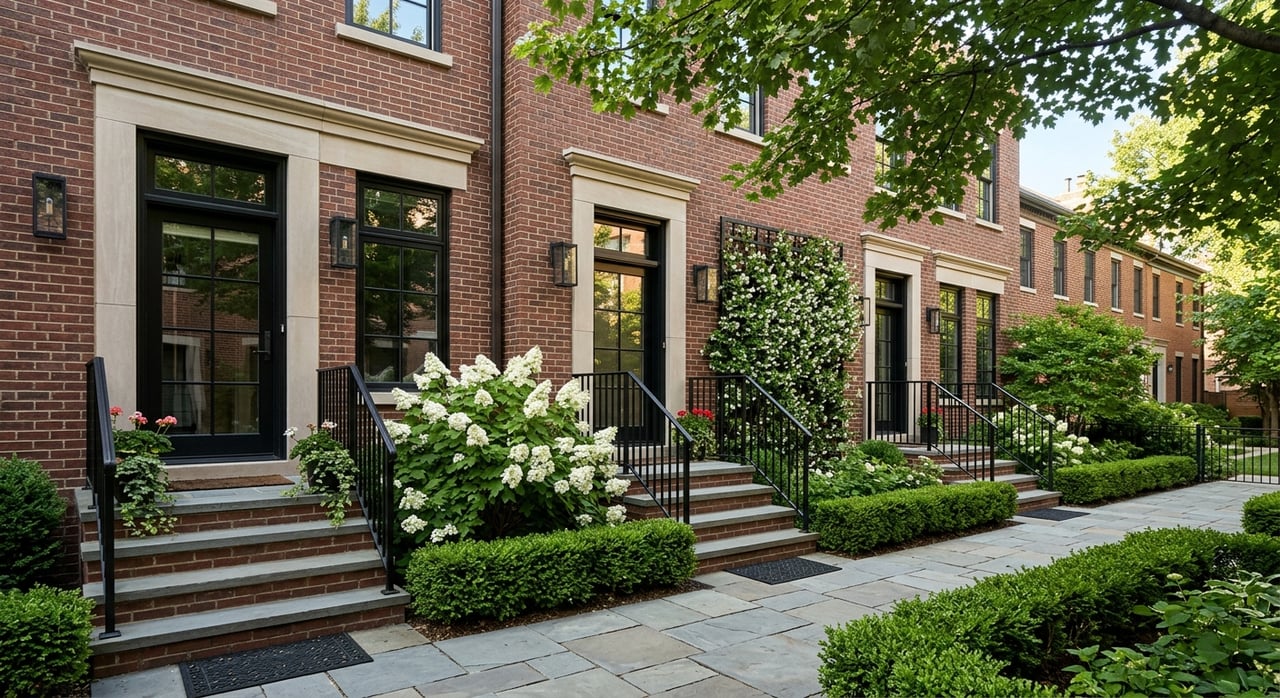
Townhomes often strike a balance between convenience and function. They can work well for roommate-heavy layouts while still offering a more manageable maintenance profile than a detached home.
For many buyers, this property type can be a practical middle option. You may get better bedroom utility and parking than a condo, while avoiding some of the upkeep demands of a single-family house.
Single-Family Homes: More Flexibility
Small single-family homes often offer the most flexibility. They can fit student housing needs today and still be useful for future resale, family occupancy, or a different rental strategy later.
That flexibility can be valuable in a market where needs change over time. If you are thinking beyond one academic year, this property type often deserves a close look.
Lease Terms Matter More Than You Think
Near UGA, the lease calendar is a major part of the buying decision. According to UGA’s off-campus living guide, most Athens leases are year-long, though some six-month leases exist, and leases are legally binding.
The same guide says students should begin securing housing a few months before arrival and should have housing lined up by March at the latest. If your property is likely to serve students, this timing can directly affect vacancy planning, marketing, and your expected cash flow.
Check Subletting and Roommate Rules
Subletting is another due diligence issue you should not skip. UGA advises tenants to confirm subletting policies before signing because the original tenant may still be liable if a subletter fails to pay.
Roommates are common in Athens student housing, which supports the value of properties with enough bedrooms and parking. For investors, that can make layout efficiency just as important as square footage.
Safety and Move-In Condition Count
A property does not need to be luxury-level to be appealing, but it does need to be functional and ready. UGA Police advises families to inspect basics like locks, lighting, and whether locks can be changed at move-in, as noted in its safe living guidance.
For parents, these details can offer peace of mind. For investors, they also support rentability, smoother leasing, and fewer issues during turnover.
Athens Market Snapshot
If you are trying to understand the bigger picture, several public data points help frame the market. Zillow reports an average Athens home value of $327,822 and an average rent of $1,750, while Redfin reports an Athens median rent of $1,457. The Census QuickFacts page adds broader context with its local housing and rent figures.
Because these sources use different methods, the exact number will vary. Still, they all support the same conclusion: Athens has real rental depth, but buying well matters.
The research also points to a rough gross-yield screen of about 5.1% to 6.4% before taxes, insurance, HOA dues, repairs, vacancy, and financing costs, based on public market-level data. That is useful as an early screening tool, but it is not a substitute for property-level underwriting.
The Short-Term Rental Catch
If you are hoping to buy near UGA and use the property as an Airbnb-style rental, slow down. Athens-Clarke County regulates short-term rentals under Title 9, and the rules are more restrictive than many buyers expect.
According to the county’s short-term rental rules, home-occupation short-term rentals require the applicant to be the owner-occupant or a long-term tenant of the property owner, only one structure on the parcel may be used as an STR, legacy status can be lost when ownership changes, and operators must collect the 7% local hotel-motel excise tax and hold a business occupation tax certificate.
The practical takeaway is simple. A near-UGA purchase should usually be evaluated first as a long-term rental or family-use asset, not as a presumed short-term rental play.
Best Strategy for Parents and Investors
For both groups, Athens tends to work best as a medium-term hold rather than a quick flip. Based on UGA’s housing rules, the prevalence of year-long leases, and local short-term rental restrictions, a 3- to 5-year hold is often the more practical frame.
If you are a parent, focus on easy campus access, manageable upkeep, and flexibility after your student graduates. If you are an investor, focus on roommate utility, dependable parking, transportation options, and lease structures that fit the academic calendar.
The winning property is rarely just the cheapest one or the closest one. It is the property that fits how people actually live in Athens.
If you want help evaluating Athens opportunities with a clear, investment-minded approach, connect with Connor Brookman. You will get thoughtful guidance tailored to your goals, whether you are buying for your student, a longer-term rental hold, or a strategic regional investment.
FAQs
What should parents know about buying near UGA for a freshman?
- UGA houses nearly all first-year undergraduates on campus, and some students may qualify for a live-on exemption if their principal residence is with a parent or legal guardian in certain nearby counties.
What type of property works best for investors near UGA?
- In many cases, the best investment property near UGA is one with strong roommate utility, enough bedrooms, predictable parking, and practical campus access rather than simply the closest address.
Are year-long leases common for Athens student housing?
- Yes, UGA’s off-campus living guide says most Athens leases are year-long, which makes lease timing and turnover planning especially important.
Can you use a near-UGA property as a short-term rental?
- Athens-Clarke County has specific short-term rental rules, so you should evaluate any near-UGA purchase first as a long-term rental or family-use property unless legal STR eligibility is clearly confirmed.
Does transportation matter when buying near UGA?
- Yes, transportation can significantly affect rentability and day-to-day convenience because properties vary in walkability, bus access, and parking arrangements.
Is Athens a strong rental market for parents and investors?
- Public housing data suggests Athens has meaningful rental depth, but the best results usually come from buying the right location, layout, and lease structure rather than relying on market averages alone.