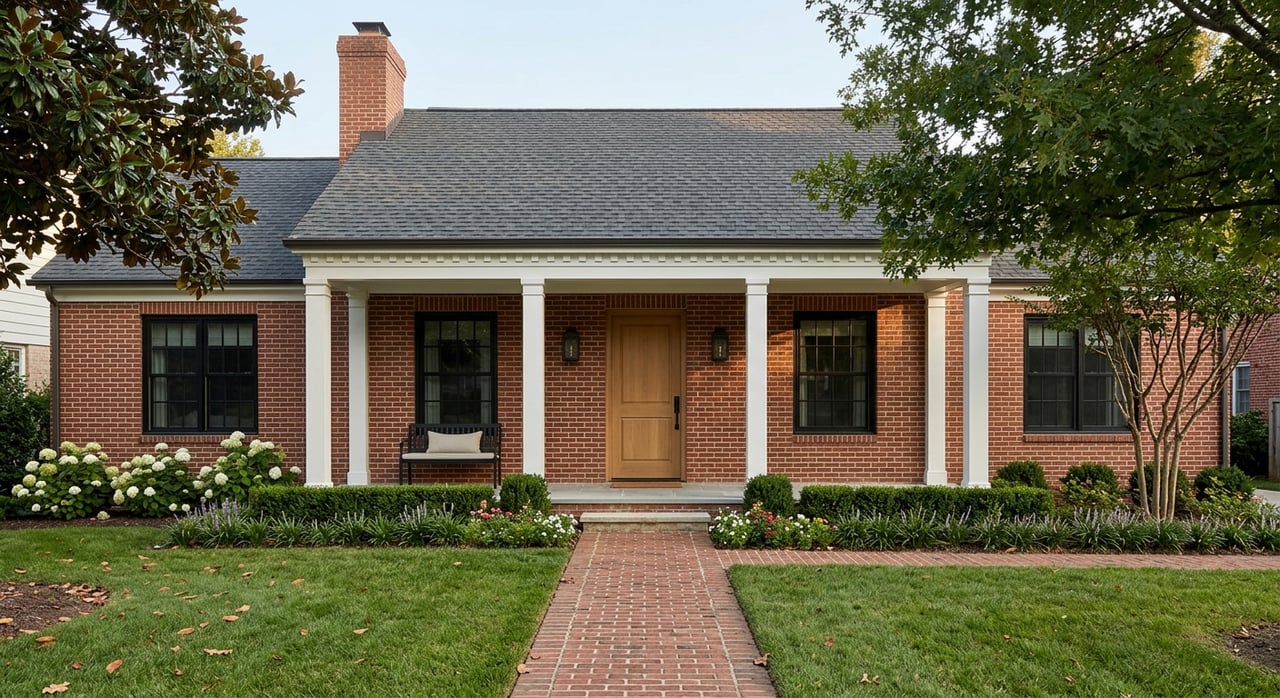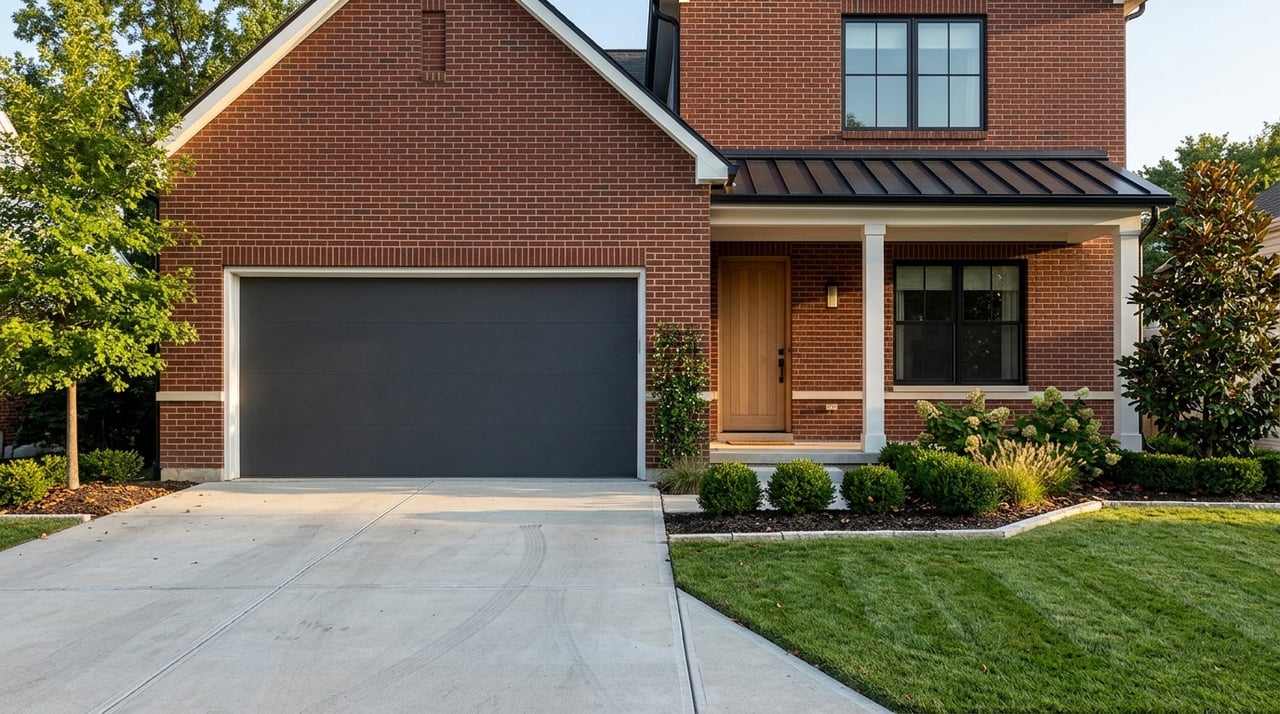
You only get one chance to build it right. If you are touring model homes around Madison or eyeing a lot in Town Madison, you want a clear plan that protects your budget, timeline, and peace of mind. This guide gives you a practical, local checklist plus the why behind each step, so you can move from model tour to move-in with confidence. Let’s dive in.
Madison new-build snapshot
New construction is active in and around Madison, with master-planned options like Town Madison offering single-family neighborhoods, retail, dining, and Toyota Field nearby. When you compare communities, weigh lifestyle and convenience against traffic, event days, and HOA rules. Use this checklist to stay organized as you compare lots and builder offerings across the city and county.
How approvals work here
City vs. county jurisdiction
Parts of Madison fall under Madison County, while others are inside the City of Madison. Your lot’s location determines which office inspects and issues approvals. Review the City’s Inspections guidance and the County’s Residential inspections page to understand required steps. Confirm the correct jurisdiction early to avoid delays.
Energy verification and CO
Local offices conduct trade inspections and a final building inspection. After a passed final, the jurisdiction issues a Certificate of Occupancy. The City of Madison requires third-party verification for residential energy compliance under the IECC path. Ask your builder for the REScheck or REM/Rate paperwork and confirm all municipal sign-offs are complete before closing.
Utilities and connection fees
Utility providers vary by address. Use the City’s Utilities and Other Services page to identify providers for water, sewer, electric, gas, and sanitation. Request typical tap fees, meter set timelines, and any impact fees up front, since these can surface late in closing estimates if you do not ask.
Independent inspections you should order
Why phased inspections matter
Municipal inspections check code compliance, but they are not a full quality review of workmanship or finish. Independent inspections at key milestones help you catch issues early and document items for your builder’s punch list. The ASHI Standards of Practice provide a national baseline for how inspectors operate.
Four key inspection milestones
- Foundation or pre-pour: Verify footings, rebar, anchor bolts, and plumbing in the slab.
- Pre-drywall: Review framing connections, roof sheathing, and rough plumbing, electrical, and HVAC. This stage offers the most visibility.
- Final, pre-closing: Test systems, confirm finishes, and document punch-list items.
- 11-month inspection: Schedule around month 11 to capture warranty items before the builder’s one-year workmanship coverage ends.
For a practical overview of these phases, see this inspector’s milestone breakdown on new construction home inspections.
Benchmark workmanship expectations
Ask your builder or inspector about using the NAHB Residential Construction Performance Guidelines as a neutral benchmark for workmanship and reasonable tolerances during your warranty period. It is a helpful reference when discussing fixes.
Contracts, warranties, and financing
Builder contracts: what to review
Production builders use standardized contracts. Have a buyer’s agent experienced with new construction or a real-estate attorney review yours before you sign. Confirm included features, allowances, change-order rules and pricing, deposit and refund terms, assignment rules, timing for completion and occupancy, and any dispute resolution or arbitration clauses.
Warranties: know the structure
Many new homes include a one-year workmanship warranty, a two-year systems warranty, and a longer structural warranty backed by a third party. Get the full warranty booklet and understand exclusions, claim steps, and transfer rules. For background on typical programs, review the 1/2/10 format from 2-10 Home Buyers Warranty. Rely on the exact documents your builder provides for specifics.
Financing: your main options
Most buyers use either a single-close construction-to-permanent loan or a construction-only loan followed by a separate mortgage at completion. FHA recognizes one-time close construction products; you can review policy context in this HUD/FHA guidance. Compare any builder-preferred lender offer with at least two outside quotes. For a plain-English overview of how draws and interest work, see this construction loan guide. Your official Loan Estimates will show true costs and cash-to-close.
Town Madison example: lot and lifestyle
Proximity tradeoffs to Toyota Field
In Town Madison, you can live close to games, dining, and shopping, which adds daily convenience. Proximity also brings event traffic and activity on game days. Visit at different times of day to test drive your commute and noise tolerance.
HOA and master-plan rules
Master-planned communities often have architectural guidelines, fence rules, and landscape standards. Ask for the CC&Rs and any design review process early if future outdoor improvements matter to you. Clarify fees and assessments before you commit.
The step-by-step checklist
Pre-offer and pre-contract
- Get pre-approved and ask lenders about construction-to-permanent options. Confirm cash-to-close expectations from your Loan Estimates. For basics, review this construction loan guide.
- Request the full spec sheet and standard inclusions in writing. Compare across builders.
- Ask for allowances and a sample upgrade worksheet with line-item pricing.
- Verify lot jurisdiction, zoning, and utilities. Use the City’s Utilities page to identify providers and ask for tap and impact fee estimates.
During contract and pre-construction
- Have a buyer’s agent or attorney review the builder contract. Watch for arbitration clauses, assignment rules, nonrefundable deposits, and strict timing terms.
- Require a defined final walkthrough and punch-list process in writing.
- Confirm the warranty provider and get the complete booklet. See typical formats from 2-10 Home Buyers Warranty.
- If you use builder incentives, compare the lender’s written Loan Estimate with at least two independent quotes.
During construction
- Schedule independent inspections at foundation, pre-drywall, and pre-closing, plus an 11-month follow-up. The ASHI Standards explain what inspectors evaluate, and this phase guide shows typical milestones.
- Keep all change orders in writing with itemized costs and schedule effects.
- Track municipal inspection sign-offs and do not plan to close until your jurisdiction issues the CO. City steps are listed on Inspections | Madison, and county steps appear on Madison County Residential.
Before closing and at closing
- Complete a detailed final walkthrough and get a written punch list.
- Confirm all appliances and systems operate. Collect manuals and register warranties.
- Verify active water, sewer, electric, and gas meters. Confirm HOA documents and master covenants have been delivered for review.
- Ask the settlement agent how taxes and HOA fees will be shown and prorated on your closing statement.
Post-closing in year one
- Set a calendar reminder for an 11-month independent inspection. It is your last chance to document items under the one-year workmanship warranty. Your inspector can help you format a clear claim list for the builder.
Common pitfalls to avoid
- Assuming city or county inspections catch workmanship issues. Code checks are not full quality control. Order independent inspections.
- Signing a builder contract without professional review. Arbitration and limited remedies can restrict your options.
- Relying on verbal promises. If it is not in the contract or a signed change order, it is not enforceable.
- Overlooking HOA covenants and design rules. Review CC&Rs and budgets early, especially in master-planned communities.
- Underestimating upgrade costs. Standard allowances often do not cover premium finishes.
Your next step
You deserve a smooth, strategic build that fits your lifestyle and budget. If you want a local advocate to compare communities like Town Madison, coordinate inspections, and keep your contract and punch list tight, reach out to Connor Brookman. We will help you build with confidence, from first tour to final key handoff.
FAQs
What inspections and approvals are required for new homes in Madison?
- Your lot will fall under either City of Madison or Madison County inspections. The jurisdiction conducts sequential trade checks and a final inspection before issuing a Certificate of Occupancy. Review the City’s Inspections page or the County’s Residential guidance for steps.
Which independent inspections should I order for a new build?
- Schedule phased inspections at foundation, pre-drywall, and pre-closing, plus an 11-month check. The ASHI Standards outline what inspectors evaluate and why.
How do HOA and master-plan rules affect Town Madison builds?
- Expect design standards and approval steps for exterior changes, fences, and landscaping. Ask for CC&Rs, fee schedules, and architectural review timelines before you commit so you can plan improvements with confidence.
What does a 1/2/10 builder warranty cover?
- Many builders offer one year for workmanship, two years for systems, and longer structural coverage backed by a third party. Always confirm details in your builder’s documents. For context, see 2-10’s warranty format.
What are my financing options for building in Madison?
- Common options include single-close construction-to-permanent loans and construction-only loans with a separate mortgage at completion. FHA recognizes one-time close structures; see HUD/FHA guidance and compare written Loan Estimates from multiple lenders.