If you are drawn to neighborhoods with character, walkability, and access to the outdoors, Historic Roswell offers a rare mix that can be hard to find in a more typical suburban setting. You may be looking for a home near restaurants and events, or you may want easy access to trails, river views, and preserved historic spaces. Either way, understanding how the historic core and riverfront fit together can help you decide whether this part of Roswell matches your lifestyle and long-term goals. Let’s dive in.
What Historic Roswell Includes
Historic Roswell is best understood as a connected district rather than one small pocket. The area centers on Historic Canton Street and Town Square, with the Atlanta Street/SR 9 corridor acting as the main route toward the riverfront. From there, the district extends into river-oriented destinations like the Roswell Mill area and the Chattahoochee River National Recreation Area.
Roswell’s Historic District was listed on the National Register of Historic Places in 1974, and city materials describe the Town Square and Atlanta Street corridor as the former heart of the city and a gateway into the district. You can see that connection in the way preserved landmarks, public green space, and newer development all meet along the same corridor. According to the City of Roswell’s historic resources, this area remains a central part of the city’s identity.
Why the Historic Core Feels Different
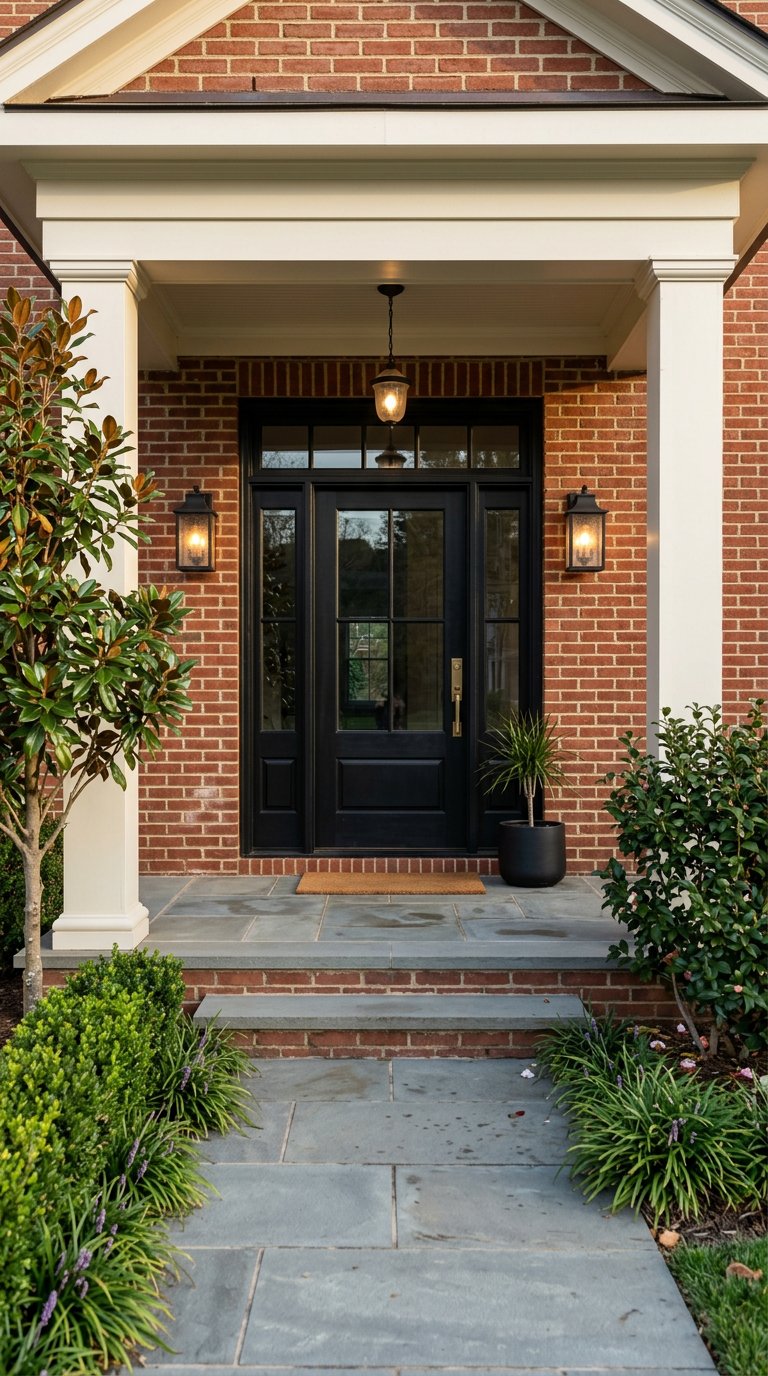
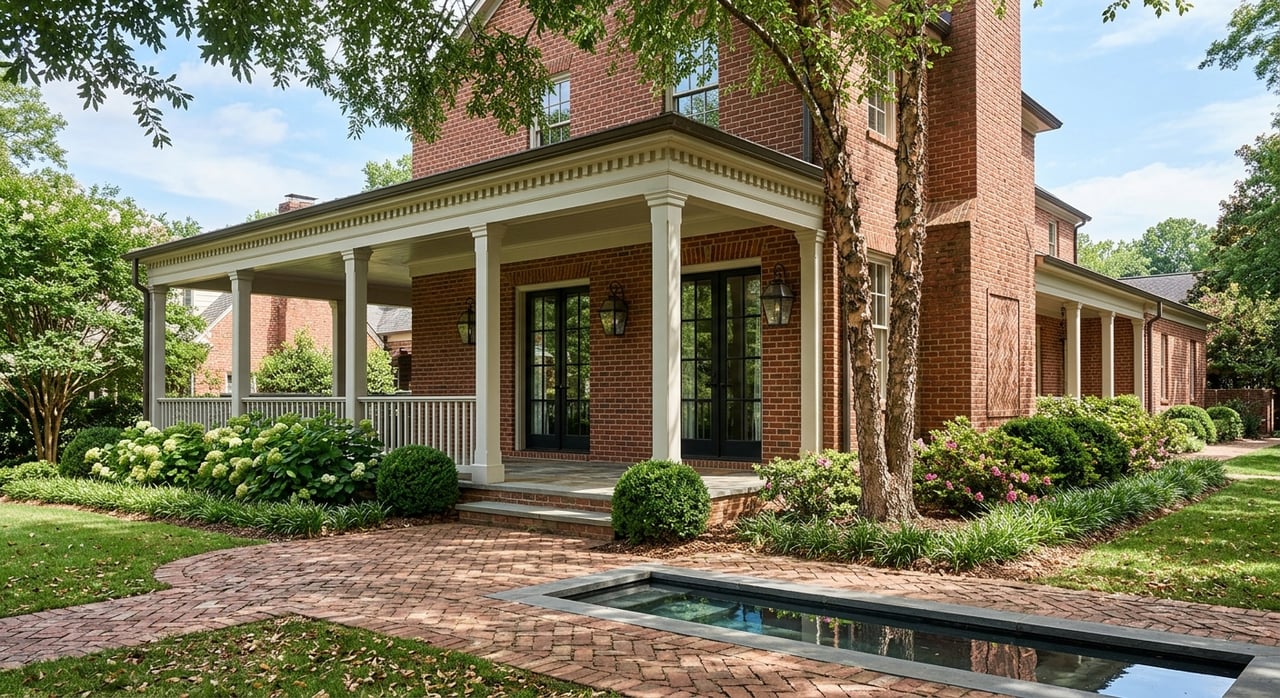
Historic Roswell is shaped by its mill-town roots along Vickery Creek and the Chattahoochee River. That history is still visible today in the area’s preserved homes, museum properties, and public spaces. It is not simply a neighborhood with older architecture. It is a district where history continues to influence how the area looks, functions, and evolves.
The city connects many of its best-known historic sites through long-term planning efforts, including Founders Park, which is intended to link Mimosa Hall, Bulloch Hall, Holly Hill, Historic Town Square Park, and Barrington Hall into a continuous green space. As the City of Roswell explains through its historic house museum resources, that gives the area a more curated and connected feel than many historic districts. For you as a buyer, that can mean a stronger sense of place and a more cohesive public realm.
What Daily Life Looks Like
One of the biggest draws of Historic Roswell is that daily life can feel active and convenient without being limited to one type of experience. The district is known for its mix of restaurants, gathering spots, and local events, especially along Canton Street. Official tourism materials describe Roswell as a culinary destination north of Atlanta, with destinations that range from patios and pub-style spots to casual restaurants and live music venues.
If you enjoy being able to step out for dinner or meet friends nearby, this part of Roswell stands out. The Visit Roswell dining guide highlights the concentration of restaurants and social spaces that give the area its energy. At busier times, that street life becomes part of the appeal.
Events That Shape the Lifestyle
Historic Roswell is not only walkable on an everyday basis. It also becomes a regional draw during community events. One of the most recognizable examples is Alive in Roswell, a free monthly festival held every third Thursday from April through October on Historic Canton Street and the Roswell Antique and Interiors Lot.
The event includes vendors, food trucks, beverage tents, and live music, and parts of Canton Street close to vehicles during the festival. That setup changes the feel of the area in a big way and gives residents a front-row seat to one of Roswell’s signature recurring events. You can explore current details on the Alive in Roswell event page.
Riverfront Living in Roswell
Riverfront living in Roswell is not limited to simply being near a body of water. It is tied to parks, launch points, trails, and historic natural features that shape how you use the area. The lower edge of Historic Roswell connects to destinations like Roswell River Landing, the Roswell Mill area, and Vickery Creek.
The city maintains more than 900 acres of parkland across 19 parks, and its planning documents emphasize the Chattahoochee River’s importance to Roswell’s history and future. That gives the riverfront more than scenic value. It makes outdoor access part of everyday living for people who want to paddle, walk, or spend time in park space close to home.
Key Outdoor Destinations
Several public destinations define the riverfront experience in this part of Roswell.
- Roswell River Landing is described by the city as its premier Chattahoochee riverfront venue and includes an observation deck plus a canoe and kayak launch.
- Roswell Mill and Vickery Creek Waterfall offer free admission, free parking, trails, a covered bridge, mill ruins, and the historic machine shop.
- The nearby Chattahoochee River National Recreation Area spans 48 miles and 15 land units, including Vickery Creek.
These assets create a lifestyle that blends historic character with outdoor recreation. If that balance matters to you, the City of Roswell parks and historic cultural affairs resources provide a useful overview, while the city’s Roswell River Landing facility page gives more detail on river access.
Housing Options Along the Corridor
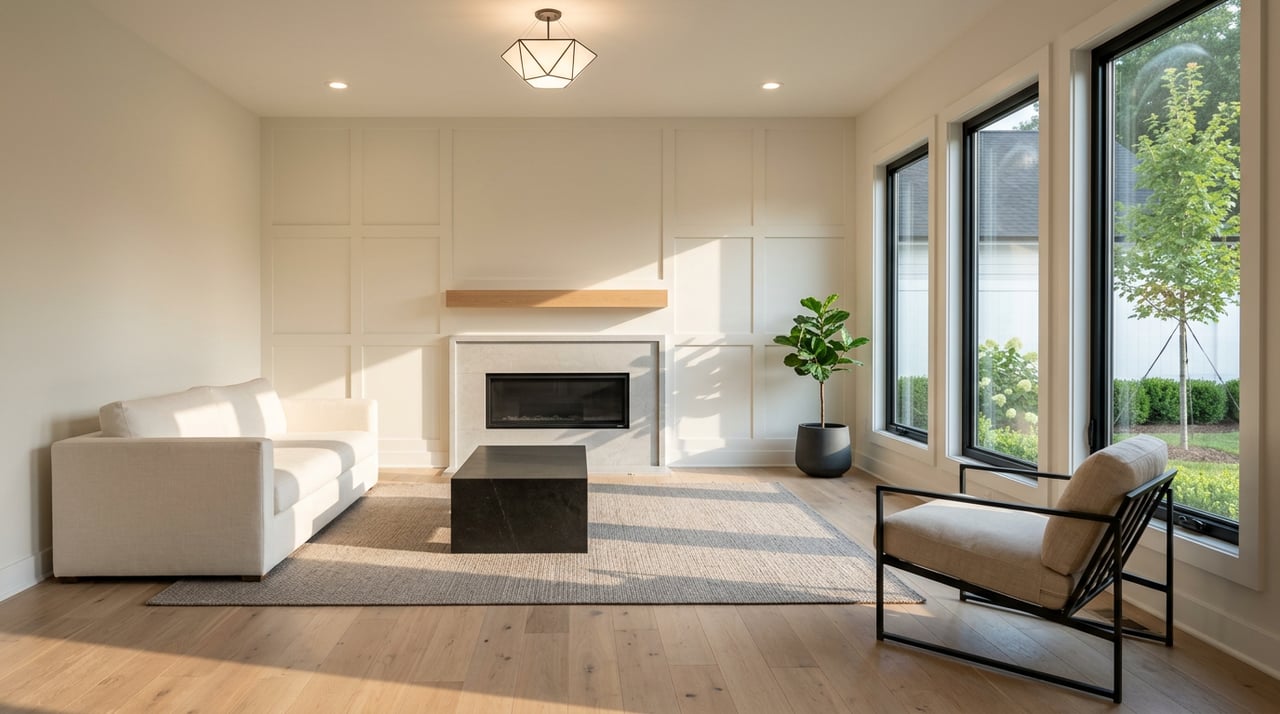
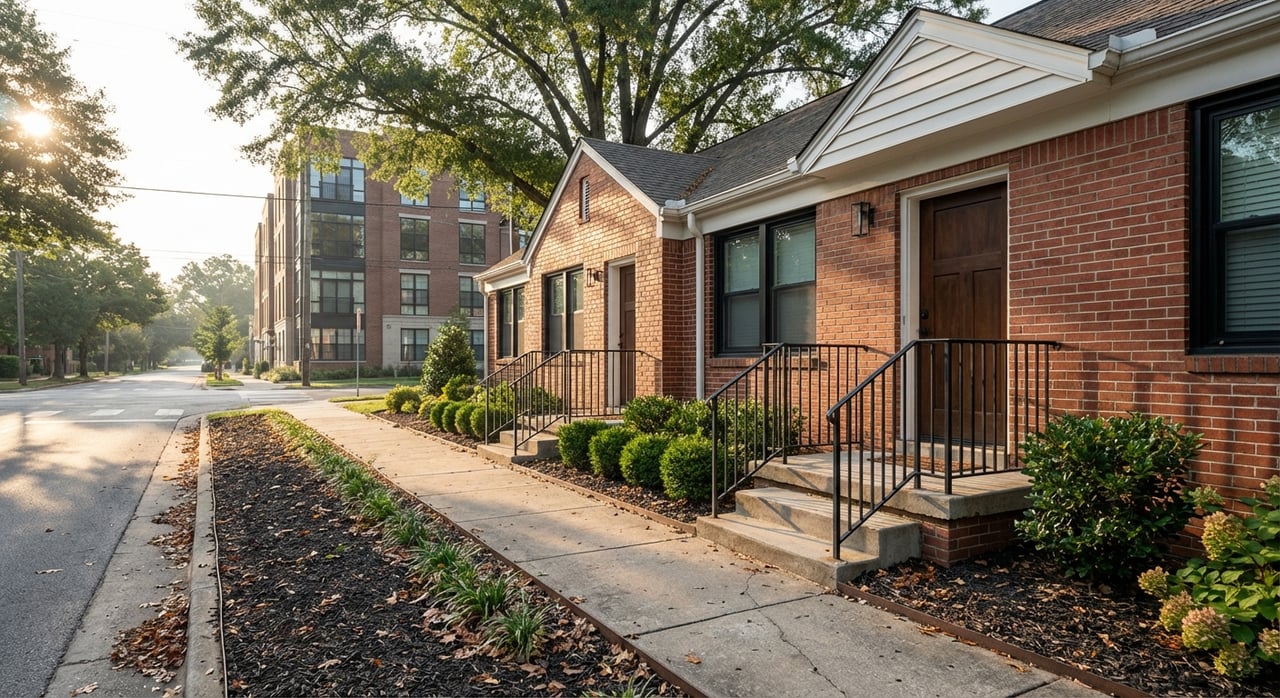
Historic Roswell is not frozen in time, and that is important to understand if you are considering a move here. The residential mix includes preserved historic homes, established streetscapes, and newer infill development along the broader corridor. That variety gives buyers more options than they might expect from a historic district.
The area’s historic anchors include Barrington Hall, Bulloch Hall, Smith Plantation, and Mimosa Hall. At the same time, city planning materials and public notices show newer residential product such as apartments, condominiums, and townhome proposals along the gateway corridor. The Historic Gateway Master Plan reflects that balance by calling for sensitive redevelopment and a wide variety of housing options.
What Buyers Should Expect
For buyers, the appeal of Historic Roswell often comes down to the combination of main street energy, river access, and neighborhood character. You can find a place-based lifestyle here that feels different from a standard subdivision setting in North Fulton. That can be especially attractive if you value walkability, established public spaces, and a district with visible identity.
There are also practical tradeoffs to weigh. Event nights can bring more activity and traffic, parking can be more limited in the historic core, and renovations or exterior changes may involve more review than in newer neighborhoods. Roswell’s Unified Development Code and design guidelines shape development throughout the city, including the historic district.
Growth and Future Connectivity
Historic Roswell continues to evolve, and future connectivity is part of that story. The corridor is already a blend of preservation and redevelopment, and public planning efforts point to continued investment in walkability and river access. That matters if you are buying with both current lifestyle and long-term usability in mind.
The research report notes that the National Park Service approved Roswell Historic Gateway and Vickery Creek Unit access improvements in January 2026. Along with city-led planning efforts, that suggests stronger connections between the historic core and the riverfront over time. You can also review the city’s Historic Gateway project information to better understand how infill and access planning are being considered.
Is Historic Roswell Right for You?
If you want a neighborhood where dining, public events, trails, and preserved character all play a role in daily life, Historic Roswell deserves a close look. It offers a more layered experience than many suburban communities, especially if you want both a lively town-center setting and meaningful access to the Chattahoochee corridor. The key is understanding that its charm comes with more activity, more oversight, and a more dynamic mix of old and new.
If you are thinking about buying, relocating, or investing in Roswell, working with an advisor who can help you compare lifestyle fit, property type, and long-term strategy can make the process much clearer. For tailored guidance on Roswell and other Atlanta-area opportunities, connect with Connor Brookman.
FAQs
Is Historic Roswell walkable for everyday living?
- Yes. The area around Canton Street and Town Square is especially walkable, and during Alive in Roswell, parts of Historic Canton Street close to cars.
Does Roswell riverfront living mean only park access?
- No. In addition to parkland, the riverfront includes Roswell River Landing, trail connections, and historic destinations like the Roswell Mill area and Vickery Creek.
Are there newer homes or developments in Historic Roswell?
- Yes. City plans and public notices show ongoing infill activity, including apartments, condominiums, and townhome proposals along the corridor.
Are renovations in Historic Roswell more regulated?
- Yes. Development, demolition, and design changes in the district may be subject to Roswell’s Unified Development Code, design guidelines, and historic review processes.
What makes Historic Roswell different from a typical suburban neighborhood?
- The area combines a true main street, recurring public events, preserved historic landmarks, substantial park acreage, and direct connections to the Chattahoochee River corridor.